

How to Choose Outdoor LED Lighting: A Simple Guide to IP Ratings
Outdoor LED lights are exposed to dust, moisture, rain and changing weather conditions. A light that works perfectly indoors may become damaged or unsafe...

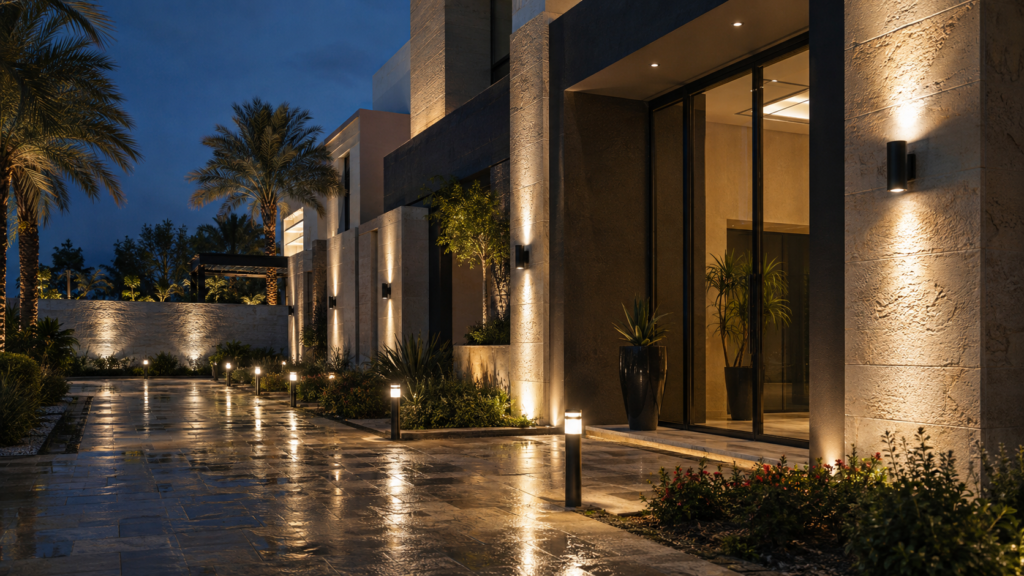
Outdoor LED lights are exposed to dust, moisture, rain and changing weather conditions. A light that works perfectly indoors may become damaged or unsafe when installed outside.
One of the most important details to check before purchasing outdoor lighting is its IP rating. This guide explains what IP ratings mean and how to select suitable lighting for different outdoor areas.
What Does an IP Rating Mean?
IP stands for Ingress Protection. It shows how well an electrical product is protected against solid particles and water.
An IP rating normally contains two numbers. For example, IP65:
- The first number shows protection against dust and solid particles.
- The second number shows protection against water.
A higher number generally means greater protection, but the correct rating still depends on where and how the light will be installed.
Common IP Ratings for LED Lights
IP20
IP20 lights provide basic protection against solid objects but no meaningful protection against water.
They are generally suitable for dry indoor areas such as:
- Bedrooms
- Living rooms
- Offices
- Dry corridors
IP20 lighting should not be installed in exposed outdoor locations.
IP44
IP44 lights provide protection against small solid objects and splashing water.
They may be suitable for:
- Covered balconies
- Sheltered entrances
- Bathroom areas
- Covered outdoor walls
The fixture should not be directly exposed to heavy rain or strong water jets.
IP54
IP54 fixtures are protected against limited dust entry and splashing water.
They can be used in:
- Covered parking areas
- Sheltered pathways
- Semi-outdoor commercial spaces
- Dusty indoor environments
Always consider the exact installation position before choosing IP54 for an outdoor project.
IP65
IP65 is a common choice for outdoor LED lighting. These fixtures are dust-tight and protected against water jets.
IP65 lights are often used for:
- Building exteriors
- Gardens
- Pathways
- Parking areas
- Outdoor signs
- Floodlighting
- Commercial outdoor spaces
IP65 does not automatically mean that a product can remain underwater.
IP66
IP66 fixtures provide strong protection against dust and powerful water jets.
They are suitable for more demanding locations such as:
- Industrial outdoor areas
- Exposed building exteriors
- Large parking spaces
- Warehouses
- Outdoor floodlighting
- Locations exposed to strong rain
IP67
IP67 fixtures provide complete dust protection and protection against temporary water immersion under specified conditions.
They may be used for:
- Ground-recessed lights
- Landscape lighting
- Areas at risk of temporary water collection
- Certain outdoor architectural applications
For swimming pools, fountains or permanent underwater use, select a product specifically designed and certified for that application.
Choosing the Right IP Rating by Location
Covered Entrance or Balcony
An IP44 or higher rating may be suitable when the light is protected from direct rain.
Garden or Outdoor Wall
IP65 is generally a practical choice for exposed garden and exterior wall lighting.
Parking Area or Building Exterior
Choose IP65 or IP66 depending on the level of exposure to dust, rain and cleaning water.
Industrial Outdoor Space
IP66 may offer more suitable protection for demanding industrial and commercial environments.
Ground or Landscape Lighting
Use IP67-rated fixtures where temporary water exposure may occur. Also ensure the fixture is designed for ground installation and proper drainage is available.
Other Factors to Consider
An IP rating is important, but it is not the only factor that determines outdoor lighting quality.
You should also check:
- Fixture material
- Resistance to corrosion
- Operating temperature
- Lumen output
- Beam angle
- Colour temperature
- Driver quality
- Surge protection
- Installation method
- Warranty
For areas exposed to accidental impact, also check the product’s IK rating. The IK rating indicates resistance to mechanical impact, while the IP rating covers dust and water protection.
Installation Is Also Important
Even a high-quality outdoor light can fail if it is installed incorrectly.
Outdoor connections should be properly sealed, cables should be suitable for outdoor use and water should not collect around the fixture. Installation should be completed according to the product instructions and applicable electrical requirements.
For commercial or large outdoor projects, use a qualified electrical professional.
Choose Reliable Outdoor Lighting with ADNext
The correct IP rating helps outdoor LED lighting perform safely and reliably in its intended environment. Covered areas may require moderate protection, while exposed building exteriors, parking areas and industrial locations need higher protection against dust and water.
ADNext offers lighting solutions for residential, commercial and outdoor applications. Explore our outdoor lighting range or contact our team for help selecting suitable fixtures for your project.